The cancellation of the National Eligibility-cum-Entrance Test Undergraduate 2026 (NEET-UG 2026) has triggered one of the biggest crises India’s examination system has faced in recent years, with investigators uncovering what appears to be an organised leak network that allegedly operated across multiple states using encrypted apps, coaching links and digital circulation chains.
The decision to scrap the medical entrance exam, taken days after the May 3 test, has impacted more than 22 lakh aspirants and reopened old questions about whether India’s high-stakes examinations are equipped to deal with increasingly sophisticated fraud operations. The Centre has now handed the case to the Central Bureau of Investigation (CBI), while the National Testing Agency (NTA) has promised a fresh examination without additional fees.
Advertisement
According to officials, the controversy escalated after complaints and intelligence inputs suggested that exam-related material had circulated before the test. A preliminary inquiry by the NTA and Rajasthan’s Special Operations Group (SOG) reportedly found that several questions shared through WhatsApp and Telegram groups matched the actual paper.
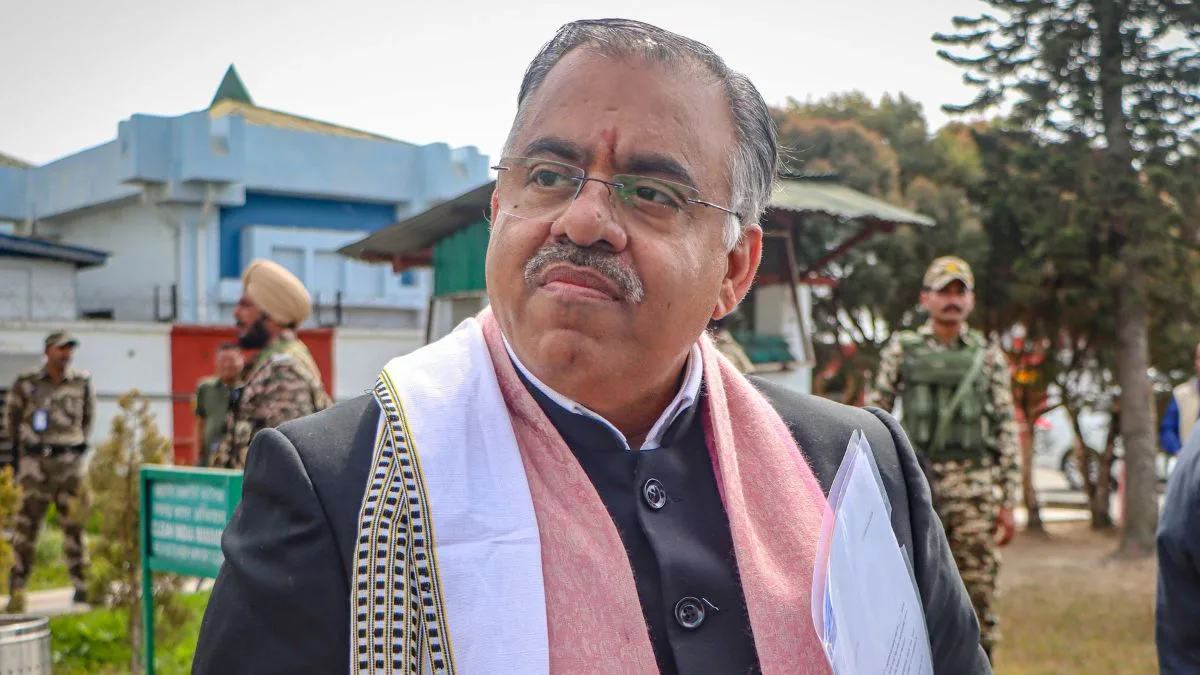
NTA Director General Abhishek Singh on Tuesday said the agency acted after a whistleblower complaint received on May 7 indicated possible irregularities.
“As per the information received by the government and the NTA on May 7, and based on inputs provided by a whistleblower, we conducted an inquiry and investigation. During the investigation, some truth was found in the allegations,” Singh said.
He added that investigators found some questions circulating before the examination matched the final question paper.
“It was observed that the ongoing examination process was not fair to the sincere and hardworking students who had prepared with dedication. Therefore, we decided to cancel the exam and conduct it again,” he said.
How the alleged NEET leak network operated
Investigators believe the leaked material was circulated through Telegram and WhatsApp groups days before the examination.
Officials said students allegedly paid amounts ranging from Rs 20,000 to Rs 5 lakh for access to the so-called “guess paper”.
The Rajasthan SOG probe claimed that over 120 questions from the leaked material appeared in the final examination paper.
According to investigators, 45 Chemistry questions and 90 Biology questions from a viral PDF were found to match the final examination paper, along with their answers.
Sources linked to the investigation said the material was allegedly first circulated in parts of Rajasthan, including Sikar and Jhunjhunu, before spreading further. Officials suspect that students received question banks nearly two days before the examination.
Rajasthan SOG officials on Tuesday said preliminary findings suggested the alleged leak trail stretched from Nashik in Maharashtra to Haryana before the material reached Rajasthan’s coaching hubs, including Sikar and Jhunjhunu. Investigators said questioning of more than 150 aspirants, parents and associates helped trace the movement of the paper before the examination.
The investigation has also brought coaching-linked networks and PG accommodation operators under scrutiny.
According to the probe, an MBBS student from Churu district studying in Kerala allegedly shared the material with a contact in Sikar. Investigators believe the paper later spread among students staying in private accommodations and through counselling networks.
In Bihar’s Nalanda district, police also claimed to have busted a NEET “solver gang” during vehicle checks ahead of the examination. Three people, including a second-year MBBS student, were arrested after officers allegedly recovered cash, forged admit cards and digital records linked to proxy candidates.
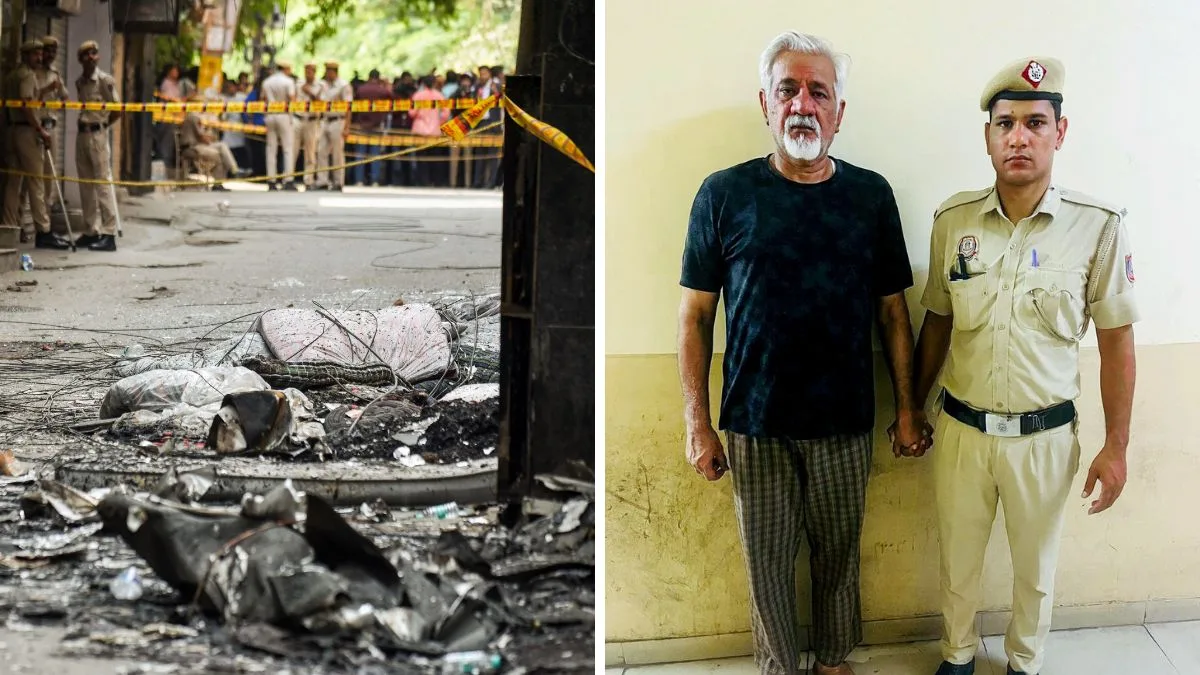
Around 15 people have been arrested so far during raids conducted by Rajasthan SOG teams in Jaipur, Jamwaramgarh, Sikar and nearby districts. Officials said more than 24 suspects had been produced before the CBI for questioning as the agency widened its probe into the alleged syndicate.
On Tuesday evening, a CBI team reached the SOG headquarters in Jaipur and formally took over the investigation. Officials handed over documents, electronic evidence and details related to those arrested.
The CBI has registered a case under sections related to criminal conspiracy, cheating, criminal breach of trust, theft and destruction of evidence. Provisions of the Prevention of Corruption Act and the Public Examination (Prevention of Unfair Means) Act, 2024, have also been invoked.
Why the cancellation became legally significant
The complete cancellation of NEET-UG 2026 marks a rare step in India’s examination history.
In previous controversies, authorities often opted for localised retests or withheld the results of specific candidates. This time, however, officials concluded that separating beneficiaries from genuine candidates may not have been possible.
Legal experts say courts generally apply a “proportionality test” while reviewing such decisions. The judiciary examines whether irregularities were isolated or whether the credibility of the entire examination process had collapsed.
The issue had reached the Supreme Court even in 2024 after allegations of paper leaks surfaced in Bihar. At the time, the court acknowledged irregularities but declined to order a nationwide re-examination, saying there was no evidence of a systemic breakdown across the country.
Officials involved in the current probe argue that the spread of leaked material across states and digital platforms indicated a deeper structural compromise.
Old problem, bigger scale
Paper leak allegations are not new to India’s medical entrance system.
In 2015, the Supreme Court cancelled the All India Pre-Medical Test after answer keys were leaked across several states using Bluetooth devices and micro-SIM technology.
The Combined Pre-Medical Test in 2014 was scrapped after allegations of tampered paper boxes. Questions over differing difficulty levels in vernacular papers surfaced in 2017, while a Jaipur candidate was caught in 2021 allegedly receiving exam content through WhatsApp-linked solver gangs.
In 2024, Bihar’s Economic Offences Unit exposed another alleged leak operation in which papers were reportedly being sold for lakhs of rupees.
But investigators now believe the 2026 controversy reflects how leak syndicates have adapted to encrypted messaging apps and digital payment systems much faster than examination bodies have upgraded security mechanisms.
Experts point out that a national paper-based examination passes through multiple stages before reaching students, including moderation, printing, translation, dispatch and centre-level storage. Each stage creates a potential weak point.
They also warn that insider access remains one of the biggest risks in high-value examinations.
Panic, uncertainty and pressure on students
The cancellation has triggered widespread anger and anxiety among students and parents already exhausted by months of preparation.
For lakhs of students, the cancellation has meant going back to months of exhausting preparation with no clarity yet on when the fresh examination will be held. Many aspirants, already mentally drained after years of coaching, now fear that the credibility of one of the country’s toughest entrance exams has been deeply shaken.
The controversy has also triggered protests in several cities, with student groups taking to the streets and opposition parties accusing the Centre of failing to protect the integrity of competitive examinations.
Education experts and coaching institute heads have meanwhile demanded tougher safeguards, including stricter digital surveillance, tighter audit systems and stronger accountability mechanisms to prevent recurring leaks.
As the CBI expands its probe, investigators are expected to examine how the alleged network operated across states, where the breach first originated, and whether organised exam fraud syndicates managed to penetrate critical parts of the examination system.